Caroline Ruse
Dog Behaviourist & Canine Psychologist
Common Behaviour Issues
Understanding and Managing Dog Aggression
Dog aggression can be a worrying and challenging issue for owners, but with the right knowledge and approach, it is possible to manage and often improve your dog's behaviour. This handout provides practical advice, tips, and resources to help you understand and address aggression in your dog.
What is Dog Aggression?
Aggression in dogs refers to behaviours intended to intimidate or harm, such as growling, barking, lunging, snapping, or biting. Aggression can be directed towards people, other dogs, or animals and may arise from fear, frustration, pain, or a desire to protect territory or possessions.
Common Causes of Dog Aggression
Fear or Anxiety: Dogs may become aggressive if they feel threatened or cornered.
Territorial Behaviour: Protecting their home, food, or toys.
Social Aggression: Issues with social hierarchy or unfamiliar dogs.
Pain or Illness: Medical issues can cause irritability and aggression.
Lack of Socialisation: Dogs not exposed to various people and environments may react aggressively.
Protective Instincts: Guarding family members or other pets.
Free Download
Calm, practical guidance for change
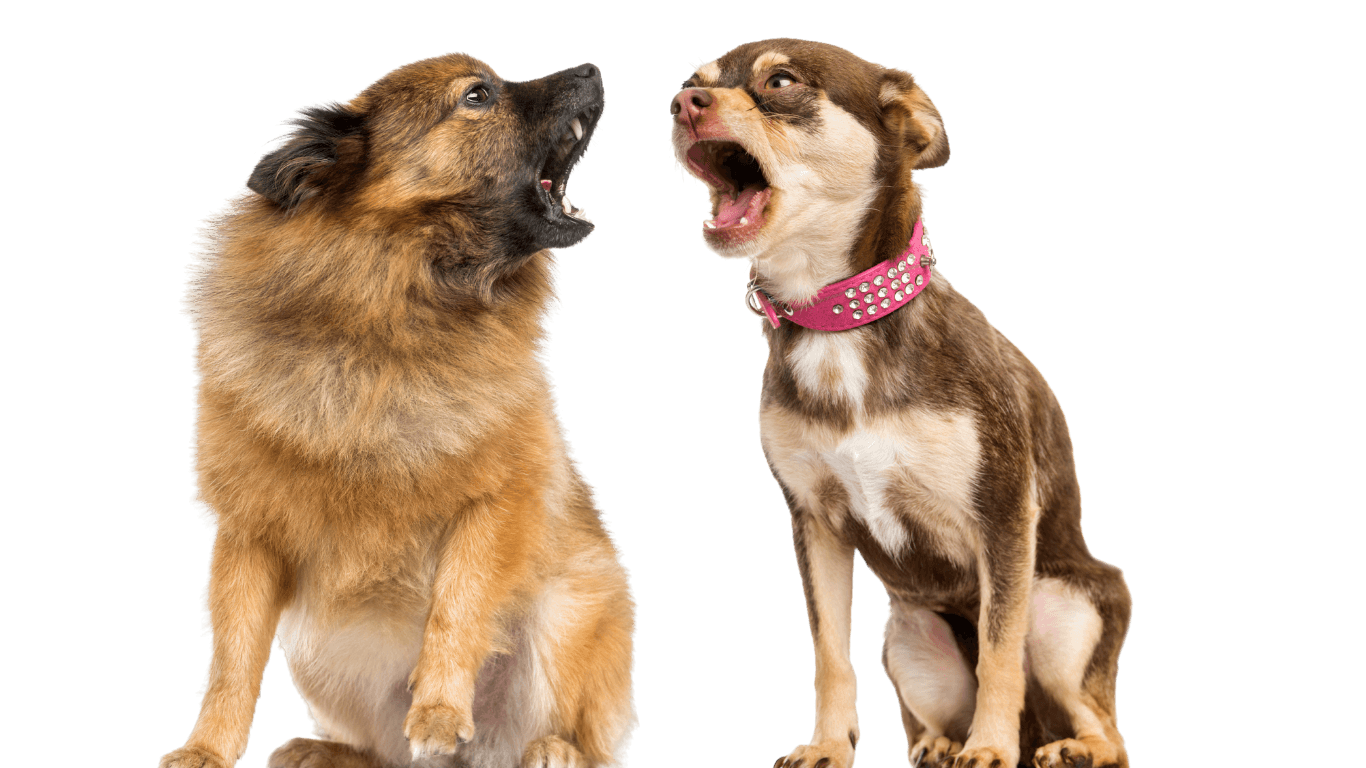
Recognising Warning Signs
Early recognition helps prevent escalation. Signs your dog may be feeling aggressive include:
Growling or snarling
Baring teeth
Stiff body posture
Raised hackles
Snapping or biting
Prolonged staring
Immediate Actions for Owners
Stay calm and avoid shouting or physical punishment.
It is crucial to consult a qualified behaviourist as soon as you notice any inappropriate behaviour in your dog. Early professional guidance can help address underlying issues, prevent further escalation, and ensure the safety and wellbeing of both your pet and those around them.