SOCIALISATION DIFFICULTIES
Caroline Ruse
DOG BEHAVIOURIST & CANINE PSYCHOLOGIST
Your Partner in Canine Wellbeing and Training
Caroline Ruse
EXPERT DOG BEHAVIOURIST & CANINE PSYCHOLOGIST
Understanding Socialisation Difficulties in Dogs
Introduction
As a level 5 dog behaviourist with many years of experience working with a wide variety of dogs, I know how important socialisation is to a dog's overall wellbeing. Socialisation difficulties can present unique challenges for both dogs and their owners, but with empathy, knowledge and the right approach, these issues can be managed successfully.
What is Socialisation?
Socialisation refers to the process by which dogs learn to interact appropriately with other animals, people, and environments. Ideally, this process begins when dogs are puppies, but dogs of any age can benefit from positive social experiences.
Signs of Socialisation Difficulties
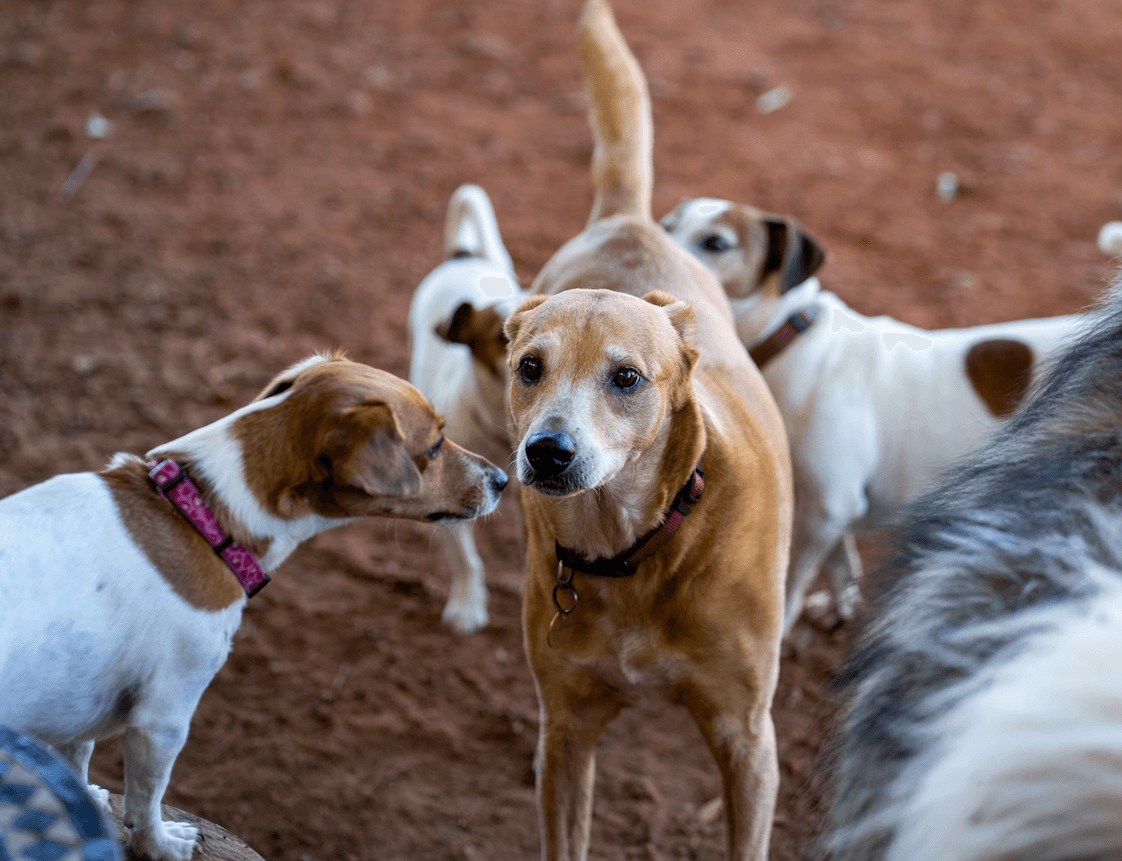
Fear or anxiety around unfamiliar people or dogs
Excessive barking, growling, or snapping
Withdrawing or hiding when faced with new situations
Over-excitement or lack of impulse control during interactions
Difficulty settling in new environments
Free Download
Download practical guidance for owners
Don’t worry, we never pass your email on to anyone else.
Common Causes
Limited early life experiences: Dogs that did not encounter a variety of people, animals, and settings as puppies are more likely to struggle with socialisation.
Past trauma or negative experiences: Previous bad encounters can leave lasting impressions and increase anxiety in social situations.
Genetic predisposition: Some breeds or individual dogs may naturally be more cautious or reactive.
Health issues: Pain or discomfort can affect a dog's behaviour and willingness to socialise.
How to Support Dogs with Socialisation Difficulties
Patience is Key: Progress may be slow, but consistent, gentle exposure and positive reinforcement will help your dog feel more comfortable over time.
Controlled Exposure: Introduce new people, dogs and environments gradually, starting with low-stress situations and building up as confidence grows.
Positive Reinforcement: Reward calm, appropriate behaviour with treats, praise or play. Avoid punishing fearful or anxious reactions.
Safe Spaces: Ensure your dog always has a safe retreat, such as a bed or crate, where they can relax if overwhelmed.
Professional Guidance: Work with a qualified behaviourist for tailored advice and support, especially for more severe cases.
Top Tips for Owners
Keep training sessions short and enjoyable.
Observe your dog’s body language - signs of stress include yawning, lip licking, and turning away.
Use high-value treats to reward brave and calm behaviour.
Never force your dog into stressful situations.
Celebrate small successes and progress.
When to Seek Help
If your dog’s socialisation difficulties lead to aggression, severe anxiety, or impact their quality of life, seek support from a professional dog behaviourist. Together, we can develop a plan that respects your dog's needs and builds their confidence.
Resources for Further Support
Dogs Trust
Blue Cross
RSPCA
Socialisation difficulties are common and understandable. With empathy, patience, and the right strategies, you can help your dog develop the confidence and skills needed to thrive in the world. If you have any concerns or would like further advice, please reach out-I'm here to support you and your dog every step of the way.
Client Success Stories
Real dogs. Real challenges. Real progress
Our rescue dog Bonnie was terrified of noises and suffered separation anxiety ...
Bessie is now so much more balanced and happy ...
My German Shepherd had a bad start to this life ...
Book A FREE 15 Minute Discovery Call
A relaxed no pressure call to help you decide on the right next step
If you’re unsure where to begin, this is the perfect place to start. Share what’s been happening and together we can look at what support may help your dog most.
Caroline Ruse
Dog Behaviourist & Canine Psychologist
South Hams, Devon



All Rights Reserved.